The Ultimate Guide to Frying Pans: Types, Differences & How to Choose the Right One
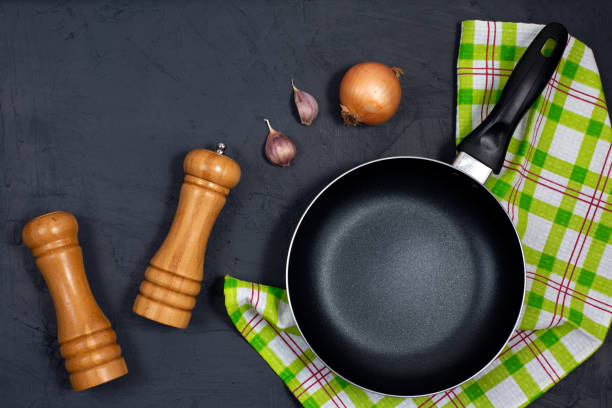
Frying pans are among the most versatile and essential tools in any kitchen. Whether you’re searing steak, sautéing vegetables, frying eggs, preparing delicate fish, or using a deep frying pan to crisp chicken, the type of frying pan you choose dramatically affects cooking performance.
Today, cookware is more advanced and diverse than ever. Home cooks can choose from nonstick frying pans, carbon steel fry pans, cast iron grill frying pans, glass frying pans, ceramic non stick frying pans, stainless steel cookware frying pans, and branded favorites like the caraway frying pan, calphalon frying pan, and all clad 10 inch fry pan.
But with so many options, buyers often wonder:
- What type of pan is best for frying?
- Is stainless steel non-stick?
- Is Calphalon non stick?
- What’s the difference between a frying pan and a skillet?
- What size frying pan is best?
- What is the safest frying pan to use?
In this comprehensive guide, we’ll explore every major type of frying pan, how they differ, which materials are safest, and how to choose the perfect frying pan set for your cooking style.
1. Frying Pan vs. Skillet: What’s the Difference?
One of the most common questions online is:
“What’s the difference between a frying pan and a skillet?”
The short answer:
The terms are used interchangeably today.
However, there is a subtle difference.
Frying Pan
- Flatter bottom
- Lower, slightly flared sides
- Ideal for frying, searing, sautéing
Skillet
- Deeper
- Often thicker material
- Better heat retention
- Suitable for shallow frying and oven finishing
This is why many people refer to cookware as frying pans skillets, combining both terms.
2. Types of Frying Pans and Their Best Uses
To understand frying pans properly, you have to learn about materials, sizes, coating types, and heat performance.
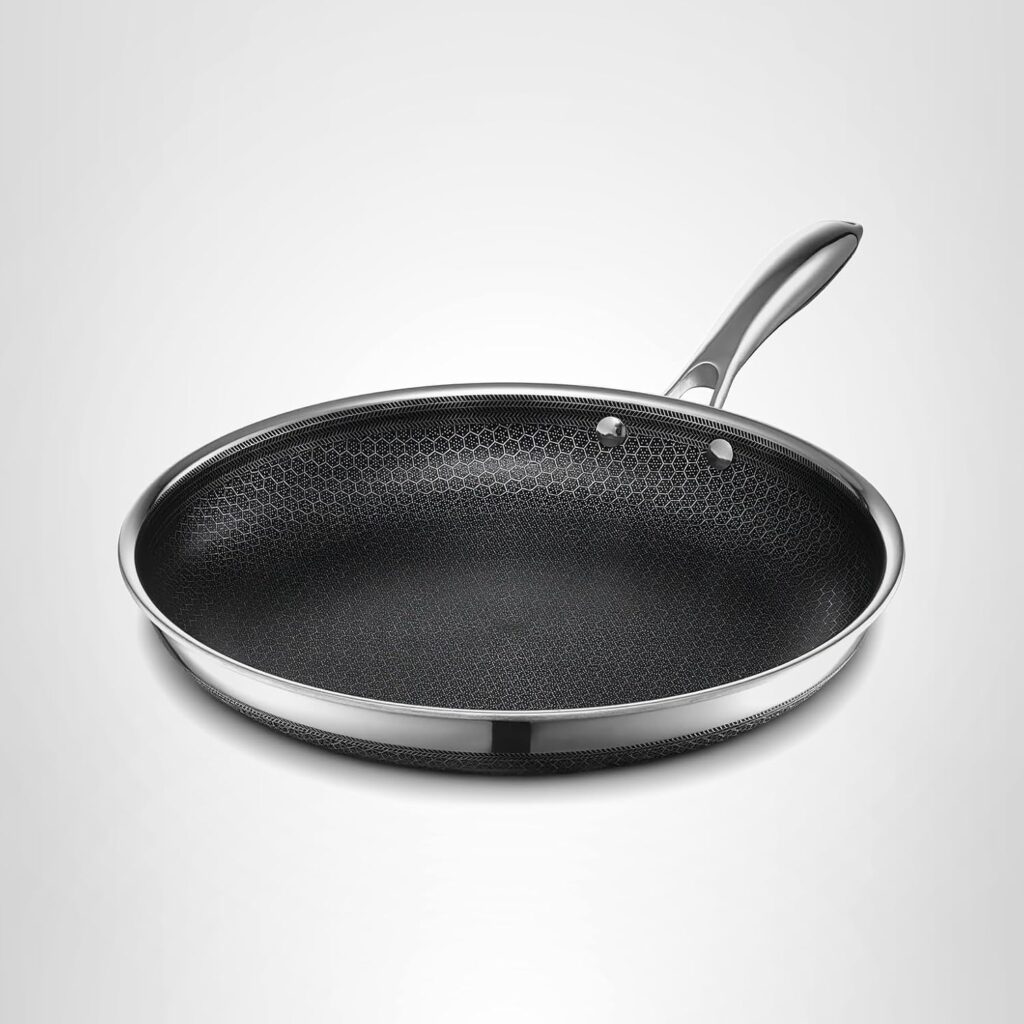
2.1 Nonstick Frying Pans
From beginners to professional chefs, nonstick frying pans are extremely popular.
Best for:
- eggs
- pancakes
- delicate fish
- low-oil cooking
Common Questions:
Is Calphalon non stick?
Yes—many calphalon frying pans come in nonstick versions, while others are stainless steel.
What is the safest frying pan to use?
Modern high-quality nonstick pans (like the caraway frying pan or green frying pan) are made with toxin-free ceramic coatings or PFAS-free materials.
Best Nonstick Pan Examples
- best non-stick frying pan picks often include ceramic-coated pans
- caraway frying pan (eco-friendly)
- green frying pan (plant-based ceramic)
For a review to figure out the best Nonstick Frying Pan you can check our Review Here
2.2 Ceramic Non Stick Frying Pans
A top trend in cookware is the ceramic non stick frying pan.
Advantages:
- PFAS-free
- Naturally slick
- Even heat
- Easy cleanup
Ceramic nonstick is ideal for low to medium heat but not great for high-heat searing.
For a review to figure out the best Ceramic Nonstick Frying Pan you can check our Review Here
2.3 Stainless Steel Cookware Frying Pan
The stainless steel cookware frying pan is the favorite of professional chefs.
Advantages:
- Extremely durable
- Perfect for browning, searing, and deglazing
- Oven and dishwasher safe
FAQ: Is stainless steel non-stick?
No. Stainless steel is not naturally non-stick, but you can make it behave like nonstick by preheating it correctly and using oil.
One of the highest-quality options is the all clad 10 inch fry pan, known for exceptional heat distribution.
2.4 Carbon Steel Fry Pan
A carbon steel fry pan is a hybrid between cast iron and stainless steel.
Advantages:
- Lightweight compared to cast iron
- Naturally nonstick when seasoned
- Heat tolerant up to extremely high temperatures
- Loved by professional chefs
Carbon steel is one of the best materials for frying steak, stir-frying, and high-temp cooking.
2.5 Cast Iron Grill Frying Pan
The cast iron grill frying pan brings outdoor-style grill marks indoors.
Best for:
- steak
- pork chops
- grilled vegetables
- burgers
Cast iron retains heat better than almost any other material, making it the top pan for frying steak.
2.6 Glass Frying Pan
A glass frying pan is rare but useful for visibility and chemical safety.
Advantages:
- No coatings
- Non-reactive
- Oven-safe
Glass pans are typically used for low to medium heat and cannot be overheated.
2.7 Asparagus Fry Pan
An asparagus fry pan is a uniquely shaped, long narrow pan used for:
- asparagus
- long vegetables like zucchini
- fish fillets
It ensures even cooking without crowding the ingredients.
2.8 Deep Frying Pan
A deep frying pan is ideal for:
- shallow frying
- curries
- pasta sauces
- sautéing large amounts of vegetables
It offers the space a regular frying pan lacks.
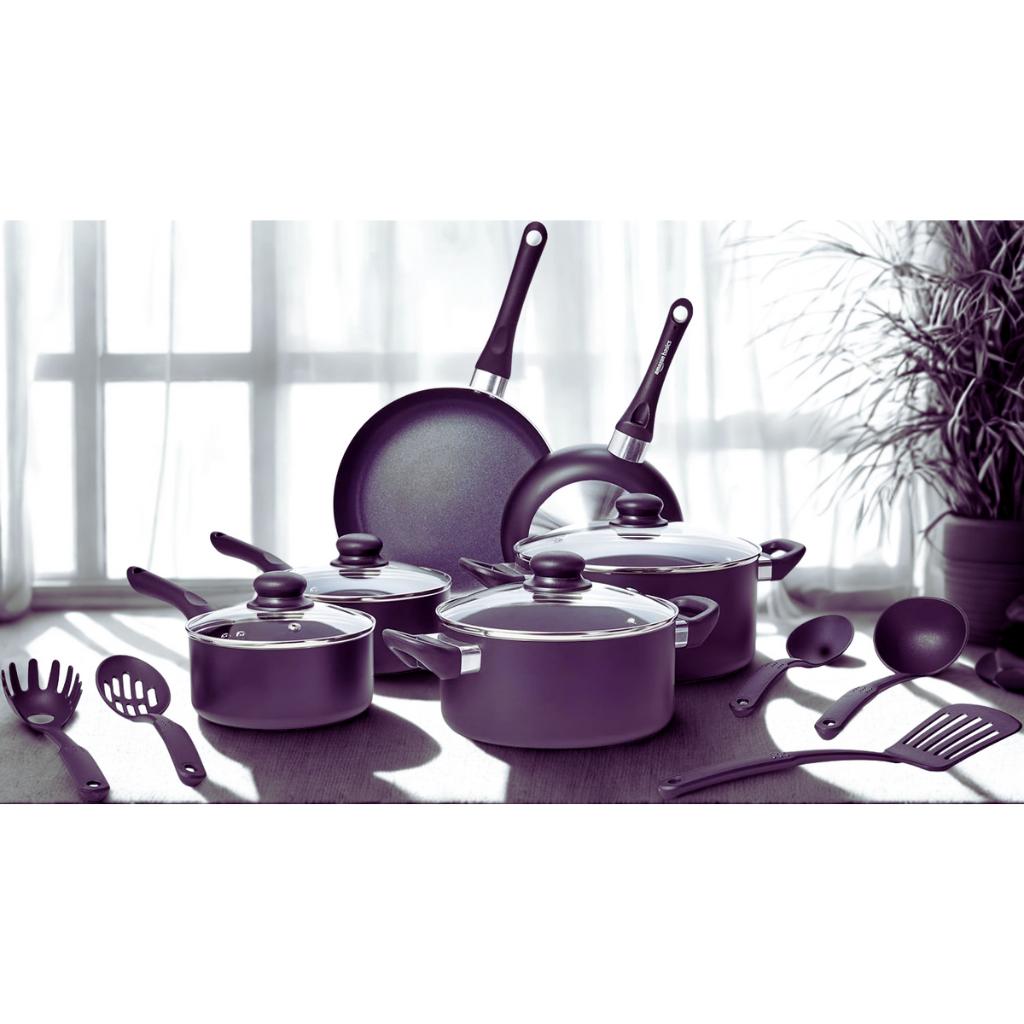
2.9 Frying Pan Sets
Many home cooks prefer to buy a frying pan set, which often includes:
- small egg frying pan
- standard 10–12 inch frying pan
- deep frying pan
- sauté pan
- specialized grill pan
This gives you versatility for all recipes.
3. Sizes of Frying Pans: What Size Frying Pan Is Best?
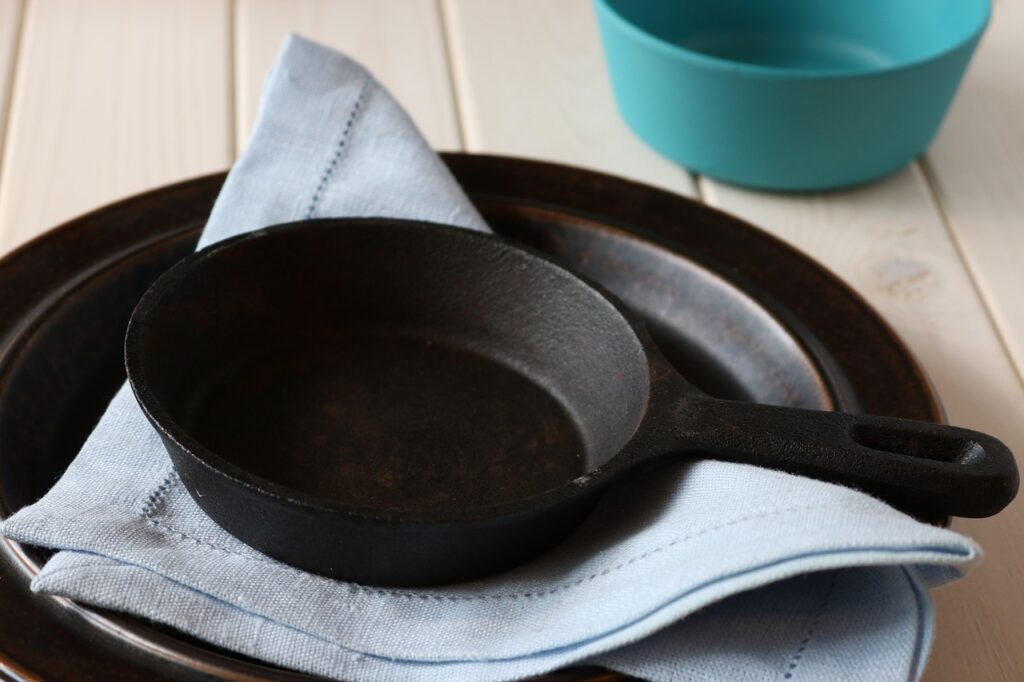
The most common question:
“What size frying pan is best?”
Here’s the guide:
8-inch Frying Pan
Best for:
- eggs
- omelets
- single servings
The best frying pan for eggs is often the small egg frying pan with a nonstick surface.
10-inch Frying Pan
The universal size—perfect for:
- everyday cooking
- chicken
- vegetables
- pancakes
- steak
The all clad 10 inch fry pan is a benchmark in this size category.
12-inch Frying Pan
Ideal for:
- family meals
- sautéing
- frying large proteins
14 inch Frying Pan
Perfect for:
- big families
- hosting events
- cooking large portions
- restaurant-style meals
A 14 inch frying pan is useful for stir-fries, paella, and large sauté batches.
4. What Type of Pan Is Best for Frying?
This depends on the food:
For Steak
- Best choice:
- cast iron grill frying pan
- carbon steel fry pan
These pans handle high heat and create a perfect sear.
For Eggs
- nonstick frying pan
- best frying pan for eggs (small, ceramic-coated)
For Fish
- carbon steel
- ceramic nonstick
- stainless steel (for skilled cooks)
For Vegetables
- stainless steel cookware frying pan
- sauté pan
- carbon steel
For Deep Frying
- deep frying pan
- heavy stainless steel pan
5. Safety Guide: What Is the Safest Frying Pan to Use?
Safety depends on:
- cookware material
- coatings
- how you use them
Safest options:
- stainless steel cookware frying pan
- carbon steel fry pan
- cast iron grill frying pan
- ceramic non stick frying pan (non-toxic coating)
- glass frying pan (non-reactive)
Pans to avoid overheating:
- cheap nonstick pans
- PTFE coatings at high heat
Modern high-quality brands like Caraway, GreenPan, and All-Clad are designed to be safe when used correctly.
6. Frying Pans and Bakeware: How They Connect
As you required, this section links frying pans with bakeware education.
Frying pans complement bakeware sets through:
- shared materials (ceramic, cast iron, stainless steel)
- oven-to-stove versatility
- similar heat properties
- need for choosing the right size and shape
Many recipes that begin in frying pans finish in bakeware:
- casseroles
- deep-dish frittatas
- baked pasta
- steak finishing
- oven-roasted vegetables
Understanding bakeware materials helps buyers choose frying pans made with matched performance:
Shared Bakeware/Fry Pan Materials:
- stainless steel
- cast iron
- carbon steel
- ceramic
- glass
These materials behave similarly in cookware and bakeware sets.
7. What to Know Before Choosing a Frying Pan or Frying Pan Set
1. Material
Know whether you want:
- high heat searing
- nonstick convenience
- lightweight pan
- longevity
2. Coating
Nonstick coatings vary widely—choose PTFE-free ceramic if safety is a top priority.
3. Size
Most cooks need:
- 8 inch (eggs)
- 10 inch (everyday)
- 12–14 inch (family meals)
4. Handle Comfort
A good grip reduces fatigue.
5. Weight
Cast iron is heavy but lasts forever.
Carbon steel is a good lightweight alternative.
8. Most Common Questions from Cooking Forums (Answered)
Q: Is Calphalon non stick?
Some Calphalon pans are nonstick; others are stainless steel or hard-anodized aluminum. Always check the product line.
Q: What type of pan is best for frying?
For steak → cast iron or carbon steel
For eggs → nonstick
For vegetables → stainless steel
For fish → ceramic nonstick
Q: What’s the difference between a frying pan and a skillet?
A skillet is slightly deeper and heavier, but today the terms are mostly interchangeable.
Q: Is stainless steel non-stick?
No, but when used correctly, stainless steel can behave like nonstick.
Q: What is the safest frying pan to use?
Ceramic, stainless steel, cast iron, carbon steel, and glass are among the safest.
9. Final Thoughts: Choosing the Perfect Frying Pan
The frying pan is the cornerstone of any functional kitchen. With so many options—from the green frying pan to the caraway frying pan, from the best non-stick frying pan to the cast iron grill frying pan—understanding materials, sizes, coatings, and performance is key.
Whether you’re preparing morning eggs, perfecting steak, sautéing vegetables, or choosing a full frying pan set, this guide helps you make confident decisions.
Cooking is easier, faster, and more enjoyable when you have the right pan for the job.
For More reviews check our blog page