The Complete Guide to Mixing Bowls & Bakeware Sets: Types, Differences, and How to Choose the Right One
Mixing bowls may seem like one of the simplest tools in the kitchen, yet they are among the most essential. Whether you’re whisking eggs, prepping dough, tossing salads, marinating meats, or even making egg roll in a bowl with coleslaw mix, a great set of mixing bowls can completely transform how smoothly your kitchen tasks go.
But despite their simplicity, not all mixing bowls or bakeware sets are created equal. Many home bakers and cooks have questions like:
What’s the difference between ceramic, glass, and stainless steel bowls?
Are mason cash mixing bowls better than modern stainless options?
What’s the right bowl for heavy-duty baking?
What size mixing bowl do I need for soapmaking?
Are antique Pyrex mixing bowls safe to use?
How do popular models like the kitchenaid mixing bowl or kitchenaid 5.5 quart bowl-lift stand mixer compare?
This guide answers all these questions—and more. If you want to understand bakeware sets thoroughly, choose the right mixing bowls for your needs, and discover what makes each type worth owning, you’re in the right place.
—
1. Why Mixing Bowls Matter More Than You Think
Mixing bowls are more than vessels for combining ingredients—they influence workflow, precision, temperature control, and even the success of recipes.
Professional bakers often say: “Your tools shape your results.”
For example:
Stainless steel bowls are perfect for whipping egg whites because they stay cool and have smooth surfaces.
Glass mixing bowls let you monitor ingredient blending and are microwave-safe.
Ceramic mixing bowls retain heat well and look beautiful on the counter.
Wooden bowls, even in the form of a kitchenaid mixer wooden bowl, bring rustic charm and natural insulation.
Understanding the differences helps ensure you’re using the right bowl for the right purpose—much like choosing the right knife or pan in the kitchen.
—
2. Overview of All Major Types of Mixing Bowls
Let’s break down the strengths, weaknesses, and ideal uses of every major mixing bowl material. This includes both classic and modern options.
—
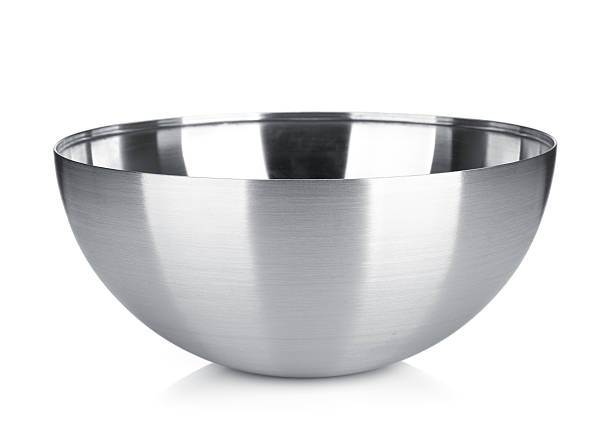
2.1 Stainless Steel Mixing Bowls
Stainless steel bowls are the professional standard—lightweight, durable, and non-reactive. You’ll find variations such as the stainless mixer bowl designed for heavy-duty kitchen operations.
Advantages:
- Virtually unbreakable
- Lightweight and stackable
- Perfect for whipping and chilling
- Dishwasher safe
- Non-reactive (safe for acidic foods)
Ideal for:
Baking, whipping cream, mixing doughs, marinating meats, and prep work.
Limitations:
Not microwave-safe
Can scratch over time
No transparency (you can’t see inside while mixing)
—
2.2 Glass Mixing Bowls
Whether you’re using new glassware or antique Pyrex mixing bowls, glass bowls have remained popular for decades.
Glass bowls offer:
Advantages:
- Microwave and dishwasher safe
- Non-reactive
- Heavy and stable on counters
- See-through visibility
- Attractive for serving
Ideal for:
Salads, batters, pasta mixing, melting ingredients, and table presentation.
Limitations:
Breakable
Heavy
Can be expensive for sets
Many collectors especially love antique Pyrex mixing bowls, known for their durability and colorful retro patterns. They’re functional and decorative.
—
2.3 Ceramic Mixing Bowls
Ceramic bowls—including iconic brands like mason cash mixing bowls—are prized for their beauty and function.
Advantages:
- Excellent heat retention
- Heavy and stable
- Decorative enough for serving or display
- Ideal for bread and pastry dough
Ideal for:
Baking preparation, farmhouse kitchens, dough mixing, fermentation, countertop storage.
Limitations:
Heavy
Can chip or crack
Some are not microwave-safe depending on glazes
Mason Cash mixing bowls specifically have deep historical roots and ergonomic designs, making them a favorite among bakers for centuries.
—
2.4 Plastic Mixing Bowls
Plastic bowls vary widely in quality. They are light, inexpensive, and come in vibrant colors.
Advantages:
- Lightweight
- Affordable
- Won’t break
- Often include lids
Ideal for:
Outdoor cooking, kids, casual meal prep.
Limitations:
Can stain
May retain odors
Not ideal for acidic or hot foods
Usually not long-lasting compared to metal or glass
—
2.5 Wooden Mixing Bowls
Wooden bowls add warmth and rustic charm. Recently, products like the kitchenaid mixer wooden bowl and kitchen aid mixer with wooden bowl have made wood functional even in stand mixers.
Advantages:
- Naturally insulated
- Beautiful aesthetic
- Great for salads, bread dough, and artisan recipes
Limitations:
Not dishwasher safe
Requires oiling and care
Not ideal for very wet ingredients
These bowls shine in presentation-heavy settings.
—
2.6 Specialty and Extra-Large Bowls
Some recipes require massive capacity—think kimchi, bread dough for a crowd, or mixing large batches.
Examples include—
Giant basin bowl for mixing Korean dishes
These bowls are popular in Korean households for handling large quantities of vegetables for kimchi, bibimbap prep, or communal mixing.
Soapmaking bowls
A frequent question is: “What size mixing bowl do I need for soapmaking?” The answer varies, but typically a 2–4 quart bowl works for small batches, while 5–8 quarts are used for bigger bars, depending on the recipe.
—
3. Stand Mixer Bowls: What You Should Know
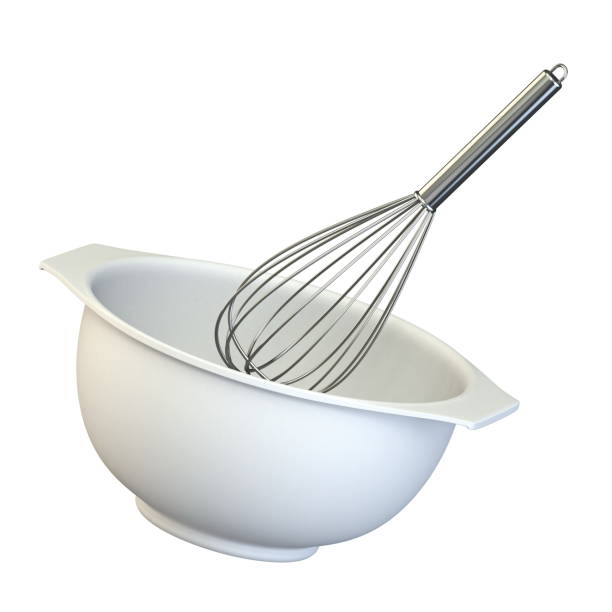
KitchenAid has popularized interchangeable mixer bowls, allowing users to choose between stainless steel, glass, ceramic, or wooden designs. The bowls from the kitchenaid mixing bowl line are known for their durability and versatility.
3.1 KitchenAid Bowl Sizes Explained
Two popular models include:
kitchenaid 5.5 quart bowl-lift stand mixer
kitchenaid 6 quart bowl-lift stand mixer
The difference lies in the capacity and motor strength, which determines how well a mixer handles dense doughs like bagels or large batches of cookie dough.
3.2 Why the Bowl Material Matters
Stainless steel bowls are the most durable and universal.
Glass bowls are great for microwave use and visibility.
Ceramic bowls add flair but are heavier.
Wooden bowls (such as a kitchenaid mixer wooden bowl or kitchen aid mixer with wooden bowl) are stunning for rustic kitchens and gentle mixing tasks.
—
4. Differences Between Mixing Bowl Types: A Practical Comparison
Below is a simple breakdown based on common customer questions in cooking forums:
- Feature Stainless Steel Glass Ceramic Plastic Wood
- Durability ★★★★★ ★★★★ ★★★ ★★★ ★★★
- Heat Resistant ★★★ ★★★★★ ★★★★★ ★★ ★★
- Weight Light Heavy Heavy Light Medium
- Microwave-Safe No Yes Usually Sometimes No
- Best For Baking, whipping Batters, serving Doughs, display Everyday prep Salads, artisan bread
- Each type plays a role in a well-rounded kitchen.
—
5. Frequently Asked Questions From Customers in Forums
FAQ 1: What size mixing bowl do I need for baking?
For general baking:
3–5 quart bowls cover most tasks. For big batches or kneading dough:
6–8 quart bowls are ideal.
Stand mixer bowls (like the kitchenaid 6 quart bowl-lift stand mixer) are designed purposely for these heavy tasks.
—
FAQ 2: Are antique Pyrex mixing bowls safe?
Most antique Pyrex mixing bowls made from borosilicate glass are extremely durable. However:
Avoid sudden temperature changes.
Don’t use in high heat ovens unless the brand specifies.
Check for cracks before use.
Collectors love them for their durability and charming vintage patterns.
—
FAQ 3: Why do recipes mention using a stainless mixer bowl?
Professional recipes often call for a stainless mixer bowl because stainless steel:
Stays cold
Has a smooth, non-porous surface
Doesn’t retain flavors
Helps egg whites and cream whip faster
So, stainless steel is often the bowl of choice in pastry kitchens.
—
FAQ 4: Can I use ceramic mixing bowls for everything?
Ceramic bowls—including ceramic mixing bowls from artisan brands—are excellent for doughs and everyday mixing, but not ideal for:
High-impact mixing
Very hot stovetop ingredients
Microwave use unless labeled microwave-safe
They are beautiful, functional, and timeless but require gentle handling.
—
FAQ 5: Are giant Korean mixing bowls worth buying?
If you prepare large batches of salad, kimchi, or family-sized meals, a giant basin bowl for mixing Korean dishes is extremely practical. They are lightweight, wide, and designed for efficient mixing motions.
—
6. A Complete Guide: What You Should Know Before Buying Bakeware Sets
Selecting bowls isn’t just about choosing a material—it’s about understanding your cooking habits, storage space, and budget. Before purchasing any bakeware or mixing set, consider the following.
—
6.1 Consider the Material
Here is what to think about:
- Metal for durability and baking
- Glass for transparency and microwaving
- Ceramic for slow mixing and beauty
- Plastic for lightweight handling
- Wood for artisan preparation
Always choose materials that match your cooking style.
—
6.2 Consider Bowl Capacity
Different bowl sizes serve different purposes:
- 1–2 quarts: whisking eggs, spices, sauces
- 3–5 quarts: cookie dough, pancake batter
- 6–8 quarts: bread dough, salads, meal prep
- Extra-large basins: kimchi, party prep, fermentation
This is also important if you do specialized tasks like soapmaking, where the question “What size mixing bowl do I need for soapmaking?” often arises. Generally:
Small batches = 2–4 quart
Large batches = 5–8 quart
—
6.3 Consider Stackability and Storage
A great mixing bowl set should nest neatly. Space-saving designs matter if your kitchen is compact.
—
6.4 Check Compatibility With Appliances
Ask yourself:
Will you microwave ingredients? Choose glass or some ceramic.
Will you chill dough? Stainless steel or glass works best.
Will you use a stand mixer? Ensure compatibility with a kitchenaid mixing bowl or bowl-lift model.
—
6.5 Think About Aesthetic vs. Practicality
Some people choose bowls for function; others for beauty.
For rustic kitchens: wood or ceramic bowls
For modern kitchens: stainless or glass
For collectors: antique pyrex mixing bowls
—
6.6 Consider Price vs. Longevity
Ceramic and wooden bowls are expensive but beautiful. Stainless steel bowls are long-lasting and economical. Glass bowls sit in the middle.
—
7. Recommended Mixing Bowl Sets and Who They Are Best For
Here is a practical breakdown:
For Professional Bakers
Stainless steel set with multiple sizes
KitchenAid stand mixer with the kitchenaid 5.5 quart bowl-lift stand mixer
For Home Cooks
Glass bowl set with lids
Ceramic bowls for serving and prep
For Collectors
Antique Pyrex mixing bowls
For Large Families
Extra-large mixing basin
Durable plastic bowls for kids
For Artistic Kitchens
Kitchen aid mixer with wooden bowl or kitchenaid mixer wooden bowl
You can discover our carefully selected list of sets that we have tested in our article here
—
8. Final Tips for Choosing the Perfect Bakeware Set
Before purchasing, remember:
- You don’t need every type—just the ones that match your cooking style.
- Stainless steel is your best long-term investment.
- Glass bowls offer unmatched versatility.
- Ceramic and wood bring warmth, beauty, and heritage.
- Specialty bowls like giant Korean basins fill needs that standard sets can’t.
The perfect set combines:
- durability
- practicality
- beauty
- comfort
- and the right capacity for your favorite recipes
Once you understand your needs, choosing the right mixing bowls becomes exciting—not overwhelming.
—
Conclusion: The Heart of the Kitchen
Mixing bowls are far more than simple containers. They are symbols of creation—where bread dough rises, where salads come to life, where family recipes are born, and where everyday meals begin. Whether you’re using a humble stainless bowl or a vintage ceramic heirloom, the mixing bowl is one of the most faithful tools in any kitchen.
From ceramic mixing bowls to glass mixing bowls, from mason cash mixing bowls to advanced kitchenaid stand mixer bowls, each type brings its own beauty and purpose. By understanding their differences and strengths, you can confidently build the perfect bakeware set for your lifestyle.
Happy cooking—and may your bowls always be full of delicious possibilities.
For More reviews check our blog page