The Complete Guide to Toasters, Toasting Techniques & Bakeware Essentials: Everything You Need to Know
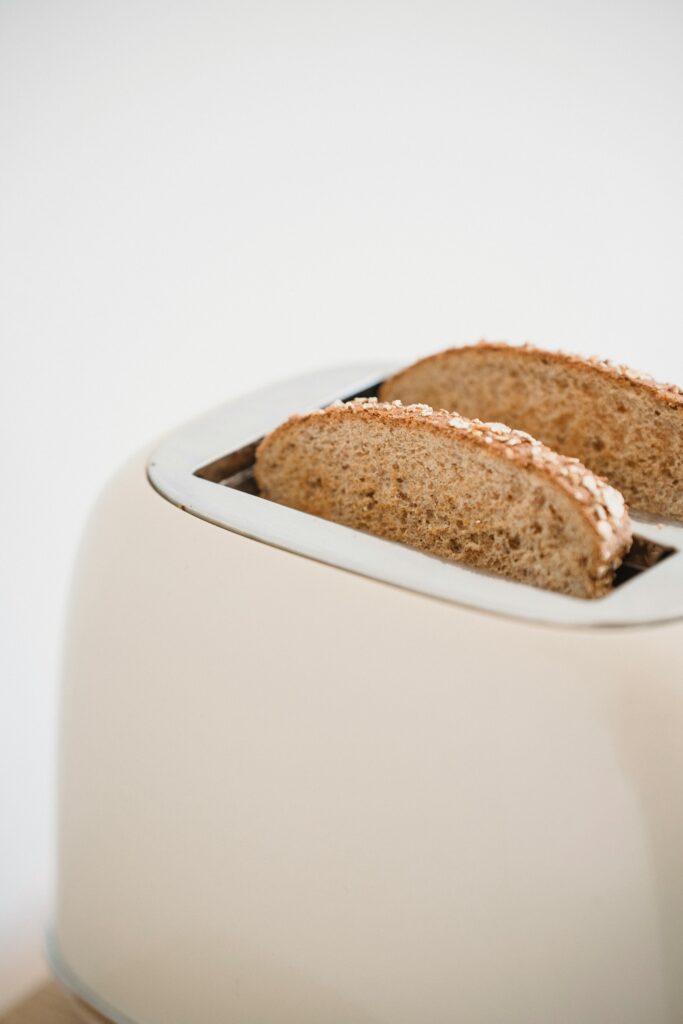
For many people, the toaster is one of the first appliances they use every morning. It’s simple, fast, and incredibly versatile—whether you’re popping in a toaster strudel, preparing brioche french toast, or learning how to toast bread in oven when the toaster suddenly stops working. But behind this everyday appliance is a world of interesting technology, design differences, and functional considerations that most people don’t explore.
In addition, many home cooks searching for toasters also want to understand bakeware sets, since both are essential tools for preparing breakfast dishes, bakery-style recipes, and even desserts like stuffed french toast or a classic baked french toast recipe.
This guide will provide you with everything you need to know about modern toasters, toaster ovens, toast-making methods, and the bakeware tools that enhance their use.
Whether you’re a beginner or experienced home chef, this comprehensive article will answer the most common questions found in customer forums, review sites, and cooking communities.
1. Why Toasters (and Toasting Techniques) Matter in Modern Kitchens
Toasters might seem simple, but they play a surprisingly central role in meal prep. With the rise of artisanal bread, homemade brunch recipes, and creative breakfast dishes, people are becoming more interested in achieving perfect browning, even crisping, and specific textures.
You see this reflected in the popularity of:
- Toaster strudel
- Stuffed french toast
- Baked french toast recipe variations
- Gourmet sandwich breads
- Artisan sourdough
- Bagels, waffles, pastries
- Hot dog toaster appliances
- And more…
Toasting is no longer just a fast breakfast solution—it’s part of a wider cooking culture emphasizing convenience, versatility, and quality results.
2. Types of Toasters: What’s the Difference?
There are multiple types of toasters on the market, each with unique features. Understanding their differences helps buyers avoid frustration and choose appliances that fit their lifestyle, cooking habits, and countertop space.
Below are the main categories.
2.1 Two-Slice Toasters
These are the classic toasters most people own. Ideal for:
- quick breakfasts
- small households
- everyday white or wheat bread
- toasting pastries such as toaster strudel
Advantages:
• Compact
• Affordable
• Simple to use
Limitations:
• Limited slot width
• Not ideal for large artisan loaves
2.2 Four-Slice Toasters
These are designed for families, brunch lovers, or anyone who wants to prepare food quickly.
Advantages:
• Twice the capacity
• Often include dual controls
• Great for bagels, waffles, and brioche slices
Limitations:
• Larger footprint
• Uses more energy
2.3 Wide-Slot or “Artisan” Toasters
These models fit:
- thick sourdough
- homemade bread
- Texas toast
- stuffed french toast
- pastries
Advantages:
• Versatile
• Accommodates non-standard breads
Limitations:
• Often more expensive
2.4 Toaster Ovens
A toaster oven is far more than a traditional toaster. It can toast, bake, broil, roast, reheat, and warm food.
Many people prefer to shop toaster oven online because of: • versatility
• compact size
• ability to replace a full oven for small meals
Ideal for:
- how to toast bread in oven techniques
- mini pizzas
- baking cookies
- toasting nuts (how to toast nuts and how to toast almonds)
- reheating food without drying it
2.5 Air Fryer Toaster Ovens
One of the most popular recent innovations. These combine air frying technology with toasting capability.
Common forum question:
“Can you toast bread in an air fryer?”
Answer: Yes — especially in air fryer toaster ovens. They toast evenly thanks to the circulating hot air.
2.6 Specialty Toasters: Hot Dog Toasters
A hot dog toaster is a fun appliance designed to toast buns and cook hot dogs simultaneously. These are popular in college dorms, offices, and casual kitchens.
2.7 Commercial-Grade Conveyor Toasters
Seen in hotels, cafés, and restaurants. Bread moves through on a conveyor belt for continuous toasting.
3. How Toasters Work: The Science Behind Browning
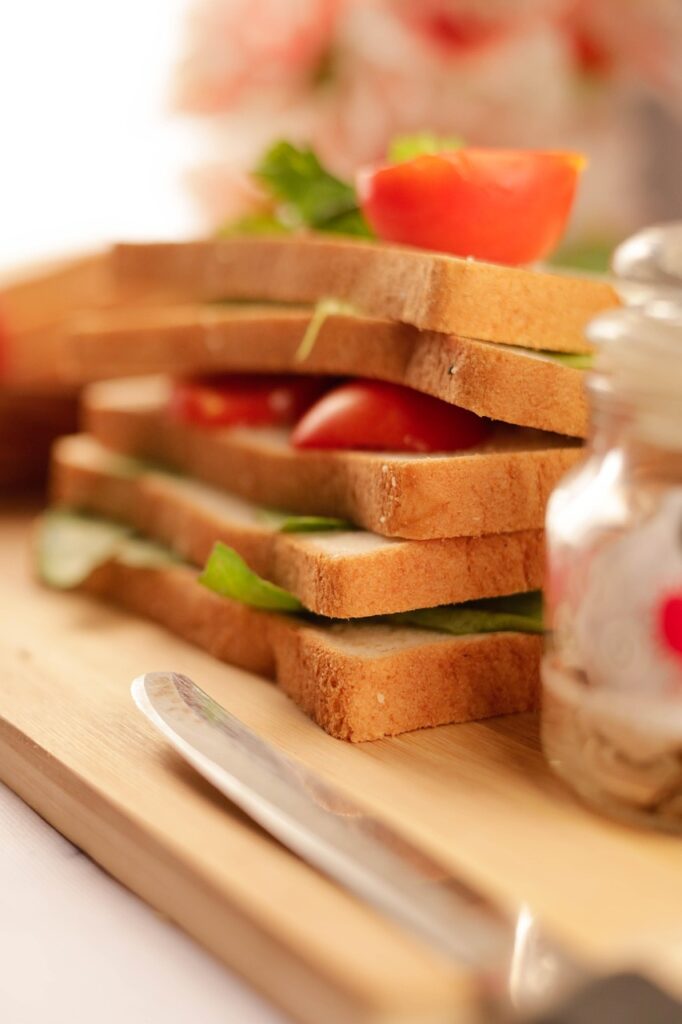
Understanding how toasters work helps users make better choices.
Toasters use nichrome wire heating elements that produce radiant heat. When bread is inserted:
- moisture evaporates
- sugars caramelize
- starches undergo Maillard reactions
This creates the golden-brown color and crispy texture we associate with perfect toast.
Different toasters regulate heat differently, affecting:
- speed
- evenness
- browning level
- crispness
4. Common Questions People Ask About Toasters (Answered)
These are real questions commonly found in cooking communities and online forums.
FAQ 1: How do I toast bread in the oven?
Many people wonder how to toast bread in oven when their toaster breaks or when they need to toast in bulk.
Steps:
- Preheat oven to 350°F (175°C)
- Place bread slices on a baking sheet
- Bake for ~5 minutes, flip halfway
- Toast to desired crispness
For faster results, use the oven broiler.
FAQ 2: Can you toast bread in an air fryer?
Yes, absolutely. Air fryers are excellent for toasting because:
- air circulates around the bread
- browning is even
- energy use is minimal
Simply place slices in the basket and toast at 350°F for 3–5 minutes.
FAQ 3: How to clean a toaster safely?
Many users ask how to clean a toaster correctly — and safely.
Steps:
- Unplug toaster
- Remove crumb tray and empty it
- Shake crumbs out gently
- Use a soft brush to clean interior
- Wipe exterior with mild soap
- Never insert metal objects inside the toaster
Cleaning regularly prevents:
- burning smells
- smoke
- uneven heating
FAQ 4: How to toast nuts?
Learning how to toast nuts is essential for baking, salads, and cereal toppings.
Stovetop method:
- Heat a dry pan on medium
- Add nuts
- Stir frequently for 5–7 minutes
- Remove once fragrant
Oven method:
- Preheat oven to 350°F
- Spread nuts on baking sheet
- Bake for 10–15 minutes
FAQ 5: How to toast almonds?
While similar to nuts, almonds burn faster.
Oven method:
- Spread almonds evenly
- Bake 8–10 minutes at 350°F
Tip: Stir halfway for even browning.
5. Toasters and Bakeware: Why They Go Hand-in-Hand
You requested the post to “inform people about all types of bakeware sets,” so let’s connect the two topics naturally.
Toaster ovens — and even air fryer toaster ovens — rely heavily on the right bakeware to:
- bake pastries
- prepare stuffed french toast
- cook a baked french toast recipe
- warm rolls
- crisp mini pizzas
- toast nuts and almonds
Types of Bakeware Used With Toasters and Toaster Ovens
- Metal baking sheets
Best for quick heating and browning. - Glass bakeware
Ideal for casseroles and French toast bakes. - Ceramic dishes
Provide even heat, beautiful presentation. - Nonstick bakeware
Useful for pastries and sticky recipes. - Mini loaf pans & ramekins
Perfect for toaster ovens.
These small bakeware items allow you to create recipes normally reserved for full-sized ovens.
6. A Guide to Bakeware Sets: What You Should Know Before Buying
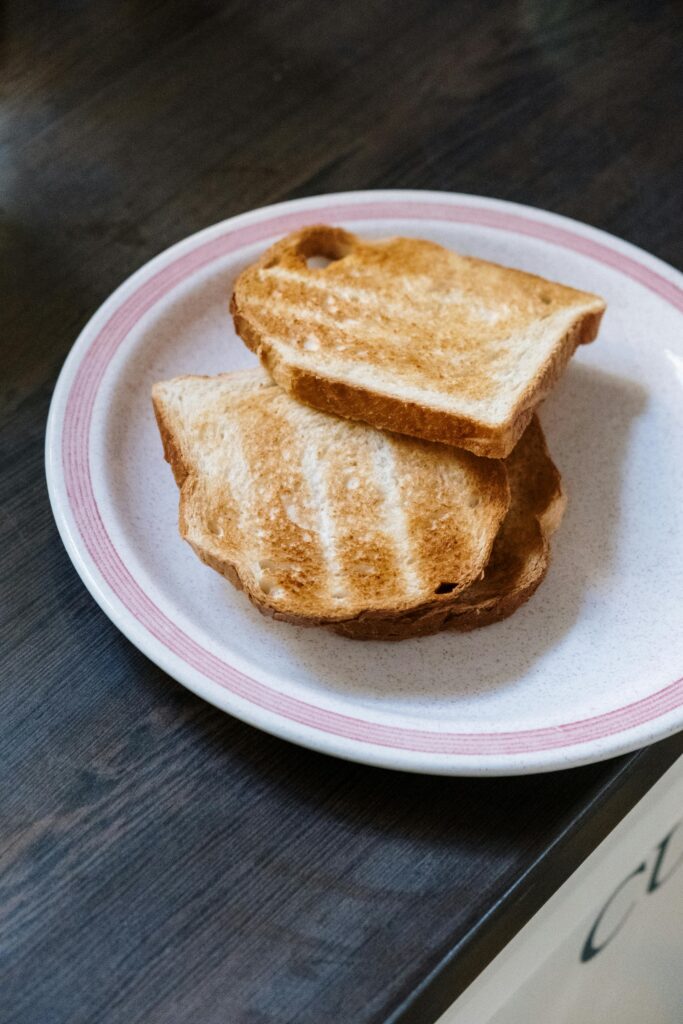
Because both toasters and toaster ovens often work alongside bakeware, here’s the full guide you requested.
6.1 Bakeware Material Differences
Metal Bakeware
- Best for browning
- Heats quickly
- Works well in toaster ovens
Glass Bakeware
- Ideal for French toast bakes
- Allows visibility
- Retains heat longer
Ceramic Bakeware
- Beautiful for serving
- Perfect for slow, even heating
Silicone Bakeware
- Flexible
- Non-stick
- Not ideal for crisping
6.2 What to Consider When Buying a Bakeware Set
- Material (do you want browning, visibility, or beauty?)
- Heat resistance
- Coating (nonstick vs. uncoated)
- Durability
- Ease of cleaning
- Compatibility with toaster ovens
Some bakeware isn’t small enough to fit toaster ovens — very important for buyers!
6.3 Choosing the Right Bakeware for Your Recipes
- For baked french toast recipe → choose a glass or ceramic dish
- For pastries like toaster strudel → metal sheet
- For stuffed french toast → ceramic or nonstick pan
- For roasting nuts & almonds → small metal pan
7. Popular Toast Recipes That Rely on Good Toasters & Bakeware
To inspire readers, here are dishes where both tools shine:
- Brioche french toast
- Stuffed french toast
- Baked french toast recipe
- Cinnamon toast
- Garlic toast
- Croissant toasts
- Toaster pastries
- Oven-toasted flatbreads
Each of these can be made or enhanced with toaster ovens and the right bakeware set.
8. Tips for Choosing the Perfect Toaster
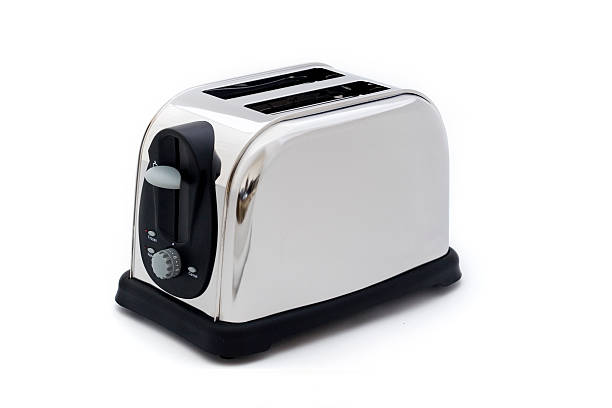
Before purchasing, consider the following:
1. Slot Size
Wide slots accommodate artisan bread.
2. Number of Slices
2-slice vs 4-slice depending on household needs.
3. Functions
- Bagel mode
- Defrost
- Reheat
- Shade selector
4. Maintenance
Easy-clean crumb tray makes a huge difference.
5. Aesthetic
Stainless steel, matte black, retro designs—choose one that fits your kitchen.
6. Extra Features
Some modern toasters even include:
- LED shade indicators
- Countdown timers
- Smart sensors
- Motorized lifting
9. Final Thoughts: Toasters and Bakeware Are the Foundation of Great Mornings
Toasters might seem simple, but they bring convenience, creativity, and joy into daily cooking. Whether you’re preparing a quick toaster strudel, experimenting with stuffed french toast, or mastering how to toast bread in oven, having the right toaster — and the correct bakeware — elevates everything.
Understanding:
- toaster types
- baking tools
- recipe methods
- proper cleaning
- and toasting techniques
makes cooking easier, safer, and more enjoyable.
Both tools work together to help home cooks create restaurant-quality breakfasts, snacks, and baked goods.
A carefully chosen toaster + a quality bakeware set = the secret to morning perfection.